
Published: 9 September 2019
Last update: 14 November 2025
How To Create A Salon Business Plan: A Blueprint For Success
Marketing & Business Tips

Do you ever feel like you are running the show without a master plan? It can be a challenge to juggle all aspects of your business, from your craft to marketing to finances, accounting, sales and more. As with any company, the best first step is to create a killer business plan.
A business plan is like a blueprint for the success of your business. It states the goals and operations of your business, tallies the financial inputs and outputs, and outlines what steps you’ll take to turn services into revenue into profits.
While it takes a bit of forethought and work upfront, a good business plan will save you time, effort and stress moving forward while boosting your productivity through improved oversight and direction.
All business plans are different, but for a solid comprehensive business plan, we will outline the following sections:
Table of Contents
Executive Summary
Business Introduction
Services/Product Overview
Organizational Overview
Market Overview
Marketing Plan
Sales/Financials
Operations Plan
Financial Planning
1. Table of Contents
This section is to be completed last. Generate a corresponding Table of Contents after your document is finished, for easy navigation through your business plan.
2.Executive Summary
This section is to be completed once you’ve finished all other sections, as it is a simple snapshot overview of your business pulled from more in-depth sections.
What is your business?
What do you do?
What do you offer?
Objective:What problem do you solve for your customers?
Mission statement
Vision Statement
Who is your target customer?
Try and get specific - Age? Demographic? Style? Income?
Goals:
What are your main long-term goals?
What are your main short-term goals?
3. Business Introduction
This section is an in-depth introduction to your business. Include the following:
Inspiration: What inspired you to begin your craft? Your business?
Mission Statement:
What do you do now? This can be as simple as: “make my clients feel beautiful,” or “provide a comfortable environment for transformation.”
Make a statement about what you offer, potentially including why you offer it. Keep it short, simple and attainable. You should be working in alignment with this mission every day.
Vision Statement:
What do you want to accomplish with your business in the future? For yourself? For your clients? For the community
What do you want the business to look like 1-3 years from now? 10 years from now?
Services and Product Offerings:
List your services
List your product offerings
The problem your salon solves:
What problem do you solve for your clients? What gap do you fill?
Target Customers/Clients:
Who is your target customer? What services do they get? How often do they come into your salon?
What is their income level? Where do they spend their time? What social media sites are they on?
Competitive Advantage:
What are you offering that clients cannot get elsewhere? Get creative - maybe you are the only place in the neighborhood where a client can get both a haircut and a killer cocktail, or perhaps your nail art is the best in the business.Every successful salon owner has their own reason that their salon shines, a niche they fill that nobody else can for their clients. Highlight your niche here! Click here to read more about building a niche salon.
4. Services/Product Overview
In this section, provide a detailed description of all products and services, and include:
The name of each service, product, package and/or offerings
A description of each service/product/package in detail
A list of costs per service
A chart of product pricing
Service package pricing (if applicable)
Ps...Have you heard the buzz? We recentlypartnered with BeautyHive to create a more efficient online shopping experience that will keep your backbar and shelves fully stocked, with perks that make the #SolaBoss life even sweeter.Join BeautyHive todayto receive a Sola-exclusive welcome offer!

5. Organizational Overview
In this section, detail any human resources necessary in running your salon. This may include any business partners, personal assistants, styling assistants, apprenticeships, etc. This may also include any work that is outsourced, such as booking, filing, advising, accounting, legal and more.
Who is involved in your salon other than you? Is there anybody that is getting paid for their time?
Outline the following:
List staff members, their roles, responsibilities, rates, credentials and level of authority.
Outsourcing: Who is responsible for overseeing outsourced duties, tasks and suppliers? List outsourced tasks, responsibilities and rates.
Advising/consulting: Who are your advisors? Consultants? Legal counsel? Accountant? List those key members that advise your business and their rates, to accommodate them into your budgeting.
6. Target Audience

In this section, provide an overview of your target client. While you may serve a wide range of clients, it is best to aim for specific niches, in order to curate your services, marketing, promotions and other offerings to meet the needs of your target client.
Get as specific as possible. Do you love cutting men’s hair for young professionals in your urban salon setting? Or are family hair cut days with mom more your thing? Maybe your colorful extensions have garnered interest from high schoolers and festival-goers alike. Perhaps your eyelash extensions are a hit for single women aged 22-40. Your clientele needs to be well matched to your skills, expertise and vibe.
While your current clientele may be varied, your future clientele can be more pre-meditated. Maybe you want your clients to have a higher income, so they purchase higher-end services and products. Perhaps you’d like a more influencer style crowd to engage with your booming social media presence, so you’d like to target influencers for your services. Perhaps middle-aged men that don’t complain are what you love.
Outline the following for your ideal client base:
Target Customer/Client:
Age?
Gender?
Location?
Where do they live?
Where are they hanging out? Both online (blogs, websites, social media sites), and offline (coffee shops, farmers markets, community events)?
Education?
Income?
What are their personal characteristics?
Personality traits
Attitudes
Values
Interests/hobbies
Lifestyle
Purchase behavior
Influencers
This information will help you improve your marketing by specifying who you are trying to reach, where to reach them and how to best interact.
This is your business! You get to choose who you work with. Set the intention for the clientele you’d like to build, and find where those people can be turned into clients - whether it is through referrals, promotions, community boards or any other form of marketing to your future clients.
With a little bit of effort, you’ll craft a perfect customer base, or two, or three, to focus on gaining future clients that fit your brand, skills and expertise. These targeted audiences will become the base of your clientele.
7. Marketing Plan
Outline how you will market your business, services and offerings:
Branding
Describe your salon’s brand. Include everything from your logo, wordmark, fonts, colors, images, social media approaches, style, vibe, values, personality, voice, etc.
Describe the voice of your business that you will use on various platforms and channels, ie. website, Instagram, Facebook, blogs, industry referral sites, etc.
Client Engagement: How do you engage with your customers?
In-person?
Online?
Social Media?
Instagram Live?
Email?
Booking website?
Text?
Yelp?
Phone?
Blogs?
Other?
Targeting New Customers: Where do you find new clients?
Other?
Groupon?
Social Media Ads?
Community Boards?
Business Cards?
Promotions?
Referrals?
Word of Mouth?
Other?
Advertising Channels: Where do you/will you advertise?
Instagram/Facebook?
Blogs?
Print Ads?
Yelp?
Influencer Marketing?
Email Marketing?
Social Media Ads?
Video Blogging?
8. Sales/Financials
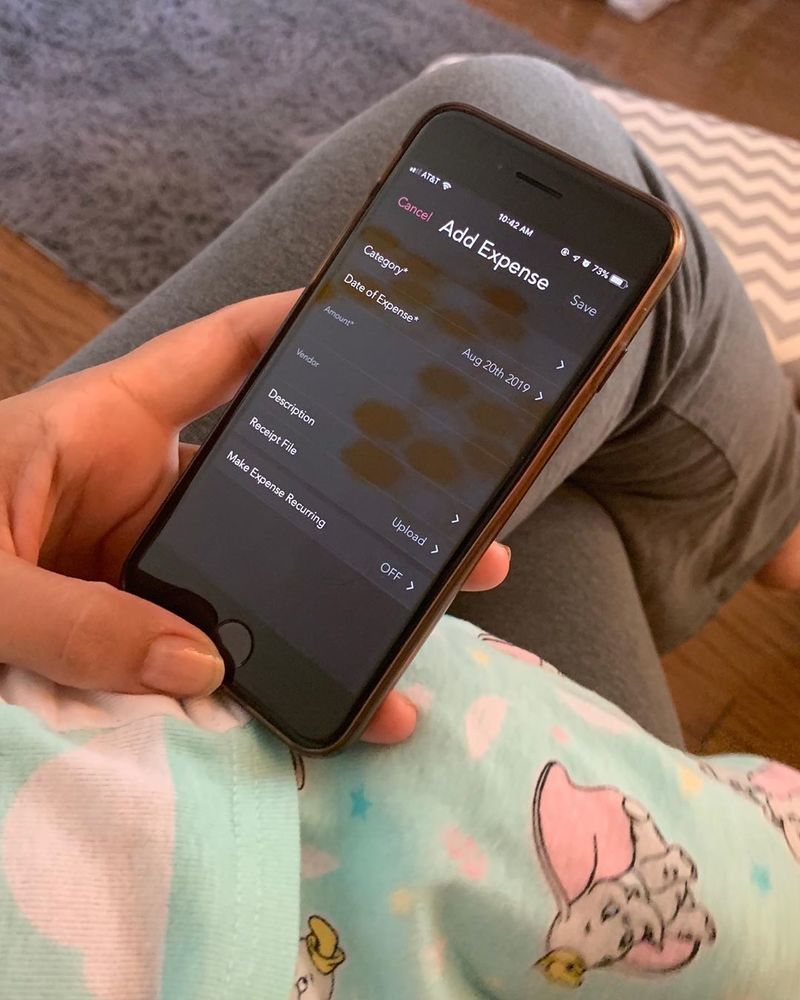
Provide an overview of your existing costs and any sales to-date. You can use a structured budget document, such as an excel spreadsheet outlining all costs and sales with dates and details. Or, if you use a technology like SolaGenius to track your expenses, you can easily export a custom expense report. This is a great thing to have for accounting purposes and taxes as well as for business planning.
Make sure to include:
Cost of Services
At what point does your business break-even? Where is the dollar amount after which you are making a profit on your business?
Sales: What are your sales to-date? What are your average monthly sales? Mention any peaks or low seasons.
Purchasing & Payment Scheme: What platform are you using to process payments and what are the fees?
Marketing/Advertising Expenses: Include everything from printing business cards to your website domain name to social media advertising - any costs that go into marketing your business.
Cost of Overhead:
Overhead costs includerent, product inventory, materials, machinery, tools, salon decor, client drinks and snacks, laundry, staffing - any costs that go into your business operations.
9. Operations Plan
Describe the operations of your salon, i.e. how your business is run. Make sure to include:
Sourcing: Where do you source materials and products for your services and offerings? What vendors do you purchase materials from? List this information for each of your services.
Operations Support: Do you have a personal assistant or an accountant? Discuss anybody else that helps make operations run a bit smoother.
System: Any software or systems you will use for your operations, including financing, accounting, credit card processing, or booking systems (hint, hint SolaGenius does it all!)
10. Financial Planning
Outline your financials in this section, summarizing key points and annexing a more detailed, in-depth budget. Keep it simple, but include the following:
Current Costs
How can you boost your offerings to bring you to the place you’d like to be financially with your business?
What are your financial goals?
What are your projected revenues over those time periods?
What are your projected costs in the next 3 months? 6 months? 1 year?
Current Revenue
What are your current expenses?
Current debts?
Follow these steps to create a business plan that will empower you to take charge of your budget, financial planning, marketing, client lists, operations, profits and more.

This can be a daunting task, but it doesn’t have to be. The best thing to do is dive right in! Remember - your business plan is a continually evolving document. Nothing needs to be set in stone. There is always an opportunity to update and amend your business plan to fit the growth and evolution of your business.
This is the first step in boosting your business from the ground up. Get it, Solapreneurs! 👊