Published: 29 July 2015
Last update: 14 November 2025
The Ins and Outs of Non-Surgical Hair Replacement
Sola Spotlights
Hair & Beauty

Hair is important. There’s just no getting around it. It’s tied to self-esteem and identity, and it plays an important role in how we present ourselves to the world. Our appearance impacts our lives socially, professionally, and personally. For many women (and men), hair loss is a devastating experience, which can lead to low self-esteem and even depression. “Peoplemay not know this, but there are over 30 million women inthis countrywho have experienced some type of total or diminished hairloss,” Roxanne Scrivens, aka Jilena, explained.
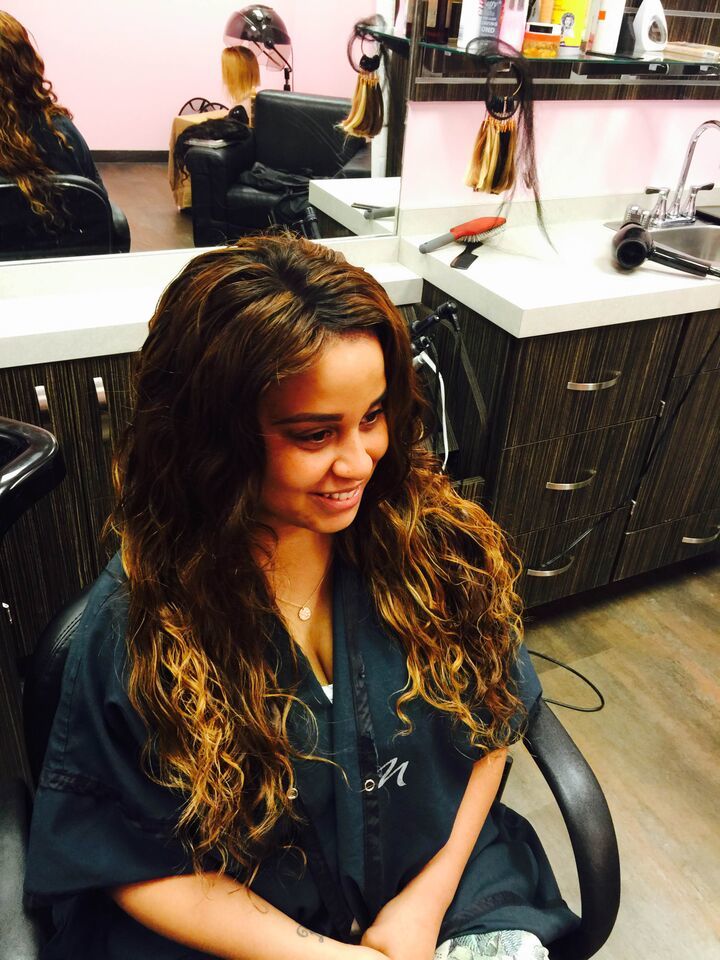
Jilena owns Virgin Hair and Wigs Boutique, based out of Sola Salon Studios’ Manhattan location. She is a non-surgical hair replacement specialist, and her focus includes custom wigs and hairpieces, as well as hair care, chemical services, and undetectable hair extensions. Jilena has more than 30 years of experience in the hair and beauty industry, and has been featured in many publications including Essence and Family Circle. She was even featured in HBO’s 2009 documentary, Good Hair.
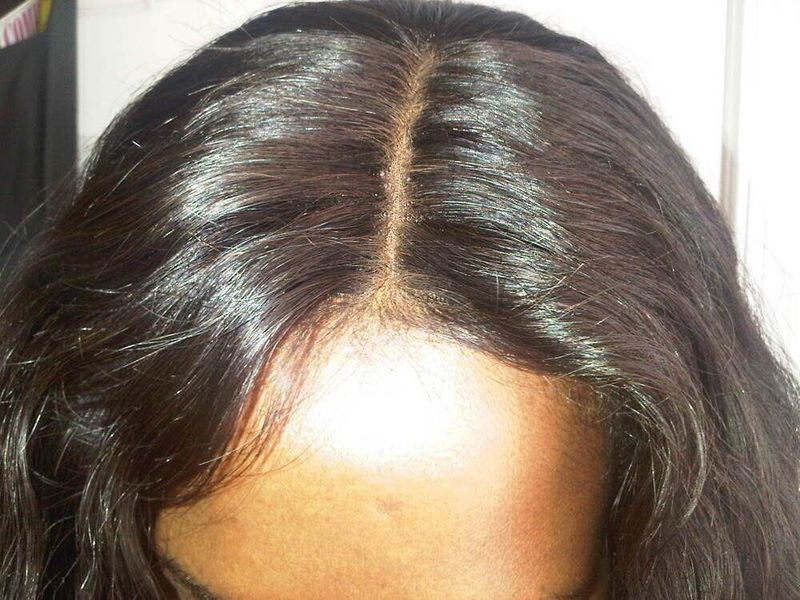
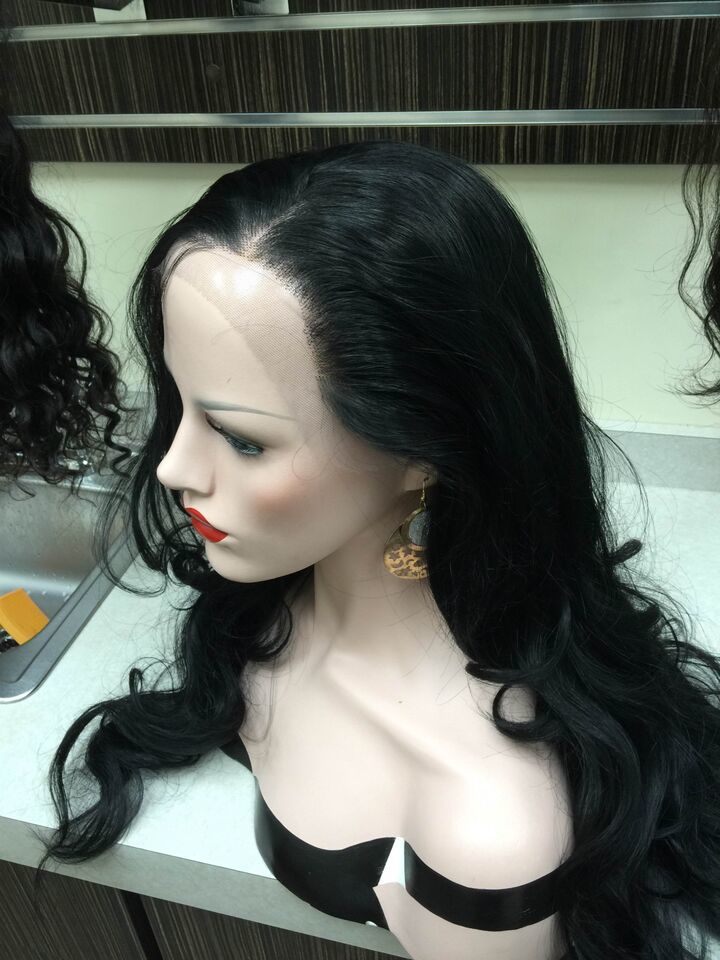
So what is a non-surgical hair replacement specialist? The term refers to a person who is trained in services such as weaving, hairextensions, hair fusion, hairpieces, hair prosthesis, and wigs. Non-surgical hair replacement specialists also focus on the health of the scalp and any existing hair. There’s a key difference between wigs and hair prostheses, too. A wig refers to any sort of head covering made from natural or synthetic hair, and can be used for cosmetic or medical purposes. A hair prosthesis is a wig that has been custom made for a person who has experienced hair loss due to a medical condition. “It’s designed to achieve the look and feel of natural hair,” explained Jilena.
And beyond that, the field of wig design has many layers – from the type of hair (or blend) used to the quality and craftsmanship of the wig’s construction. It’s an ever-evolving field that requires almost constant learning. In 2005, Jilena received her initial training and certification in non-surgical hair replacement at Hair System Designs in Florida. “From that point on, myself and Margaret (Hair System Designs’ owner) have partnered and traveled the East Coast training stylistsin Non-Surgical Hair Replacement,” Jilena said. “We both love teaching stylists with cutting edge hands-on classes, as well as mastering all of the new technology in the industry!”
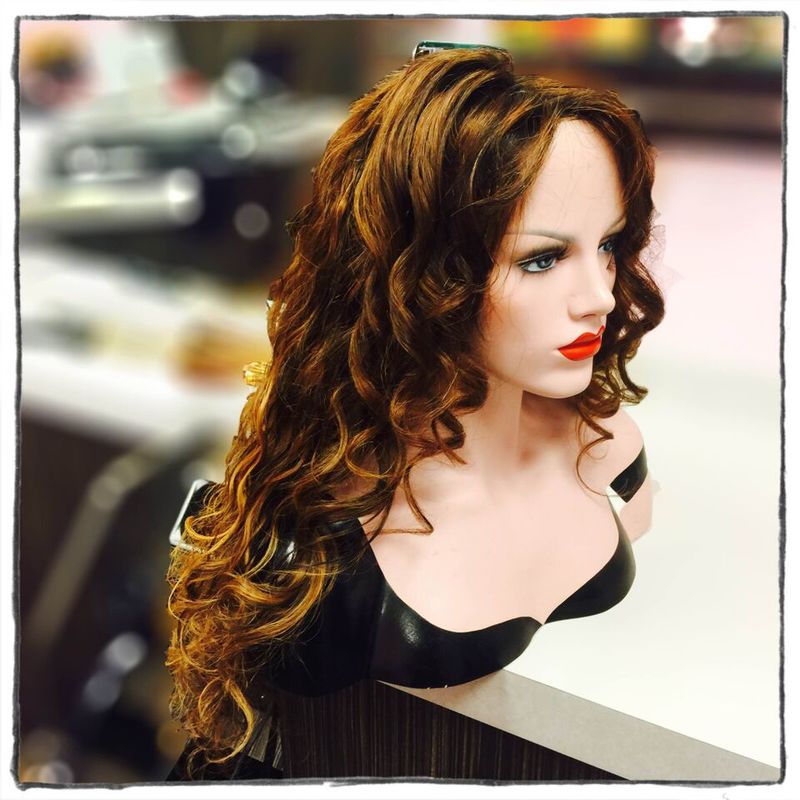
Jilena takes everything into account when creating a custom wig for one of her clients. “The quality of the hair is very important as well as howthe wig is cut and styled,” she said. I have found that any wig can look good if it’s cutright, but may not last long if it’s made with poor quality hairand base materials.Texture, density, and color playa major part in creating the look and style to fit yourclient’s personal preference.”
“I am very passionate and love doing hair makeovers for women who suffer from hair loss for any reason,” Jilena explained. She partnered with the American Cancer Society as one of their featured non-surgical hair replacement specialists. She loves working with women and children who have lost their hair due to medical reasons, helping them regain their confidence, and putting a smile on their faces. She even donates one hair system each month to a woman or child who needs one due to medical reasons.
Jilena’s boutique and salon is a perfect fit for the Sola Salon Studios model. She owned and operated Salon Zeviar in Midtown Manhattan until rent hikes made keeping the location open impossible. When she heard about Sola, she couldn’t wait for the Manhattan location to open in March 2015. “I have been at Sola since the NYC location [opened],” Jilena explained. “[Sola] makes it easy for the stylist to pay at attention to running theirbusiness without all the headaches that come with [traditional salons]. Everything you need is right there, so you canfocus on servicing your clients. I am in love with this concept.”